柳叶刀
从重大项目到百姓“钱袋子”,山东明确“十五五”审计重点_我的网站

一 |
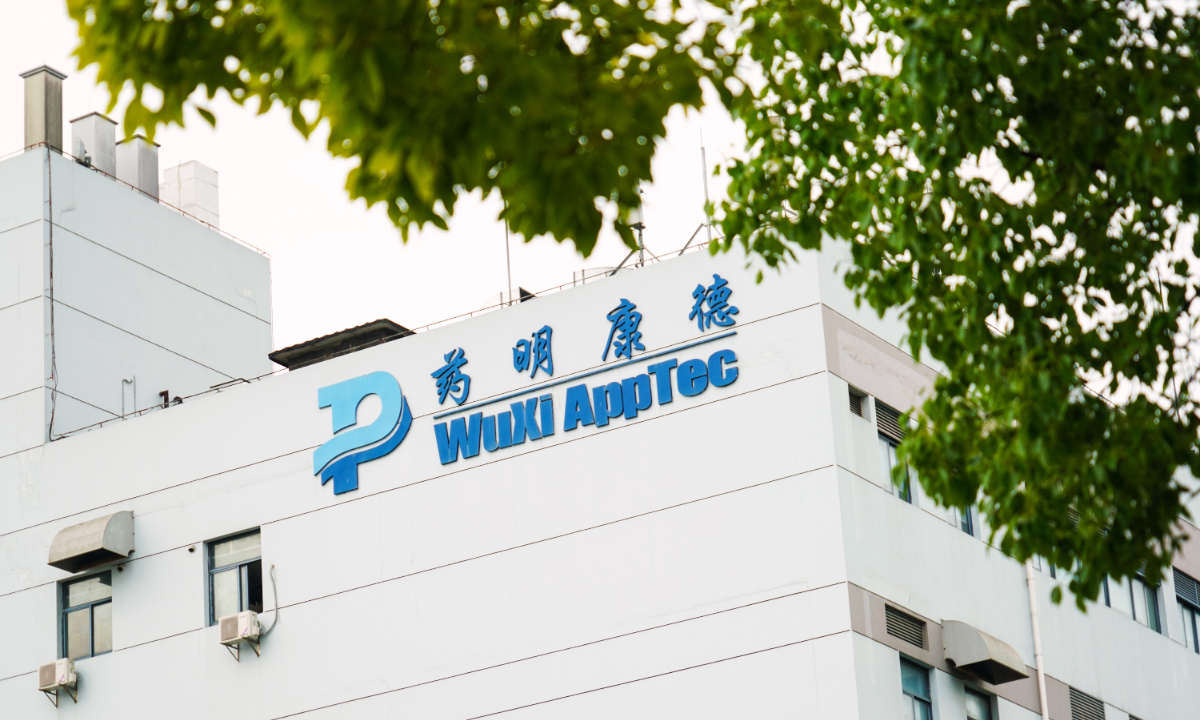
A photo shows WuXi AppTec in the Waigaoqiao Bonded Area of the Shanghai Free Trade Zone. Photo: VCG
A US federal judge on Friday temporarily "barred the Pentagon from including Chinese biotechnology group WuXi AppTec on a list of companies believed to support Beijing's military," according to Reuters. Chinese experts said the ruling sends a positive signal for Chinese companies operating in the US, showing that Washington's arbitrary, fact-deficient national security blacklists are not beyond challenge and that firms should make greater use of legal means to defend their legitimate rights.
US District Judge James Boasberg issued an order blocking enforcement of the designation of WuXi in June after the company filed suit. WuXi in a statement welcomed the court's ruling, saying it "relieves us from the immediate adverse consequences" of the Defense Department's designation during the litigation. "We believe that the facts, as demonstrated in our court filings, will prevail after an objective and fair judicial review," a WuXi spokesperson said, according to the report.
A South China Morning Post report noted that the ruling represents an early legal victory for one of China's largest pharmaceutical research and manufacturing service providers and a setback for Washington's expanding use of national-security restrictions against major Chinese commercial companies.
Gao Lingyun, a research fellow at the Chinese Academy of Social Sciences, told the Global Times that the Pentagon's controversial "list-first, evidence-later" approach has bred massive operational uncertainty for Chinese enterprises conducting legitimate business in the US. By arbitrarily imposing restrictive labels before presenting credible proof, Washington creates an opaque and unpredictable regulatory environment that disrupts normal commercial expectations.
The US Department of Defense released its updated Section 1260H list on June 8, marking the first time WuXi AppTec was formally included, alongside Alibaba, Baidu, BYD and Unitree Robotics, among others.
On June 12, WuXi AppTec announced it had filed suit against the Department of Defense in the US District Court for the District of Columbia. The company said the department's decision was erroneous and lacked factual basis or support under applicable statutes and case law.
He Weiwen, a senior fellow at the Center for China and Globalization, noted that when Chinese companies face unfair and unjustified suppression in the US, they cannot rely solely on corporate statements or diplomatic representations; they must also protect themselves through legal means. Filing suit in federal court is entirely necessary and correct, he said.
"In the past, quite a few Chinese companies had nothing to do with so-called military matters but were hit with US countervailing and anti-dumping measures. Many won their cases after appealing to the Court of International Trade. Legal recourse is an indispensable tool and one we need to take more seriously," he said.
In January 2021, Xiaomi was placed on a similar Pentagon list. The Chinese company later announced on May 26, 2021 that a US court has removed the company's designation as a military-related company and lifted all restrictions on US persons buying or holding its stock, Reuters reported.
The designation has so far had little impact on WuXi AppTec's business. The company reported on August 3 that first-half revenue rose 38.9 percent year-on-year to 28.9 billion yuan, while net profit attributable to shareholders climbed 29.4 percent to 11.08 billion yuan — its first half-year profit above the 10-billion-yuan mark, said media reports.
When asked about US placing several Chinese technology companies including Alibaba, Tencent, BYD, on a list of firms that it says aid China's military, Chinese Foreign Ministry spokesperson Lin Jian said that China firmly opposes the US overstretching the concept of national security and formulating various types of discriminatory lists to go after Chinese businesses. "We urge the US to correct its wrongdoings, and stop the unwarranted suppression of Chinese businesses. China will do what is necessary to firmly protect their legitimate and lawful rights and interests," said Lin.
。
8月26日,山东省人民政府新闻办公室举行新闻发布会,解读《“十五五”山东审计工作发展规划》。记者从发布会上获悉,到2030年,山东将进一步健全集中统一、全面覆盖、权威高效的审计监督体系,持续深化重大决策部署以及财政金融国企、教育科技文化、固定资产投资、农业农村、资源环境、民生保障等领域审计监督。 “十四五”期间,全省审计机关共审计单位2.33万个,促进增收节支和挽回损失1380.61亿元,移送违纪违法问题线索7800多件,推动建章立制1.18万项。

二 | 未来五年,审计重点盯什么?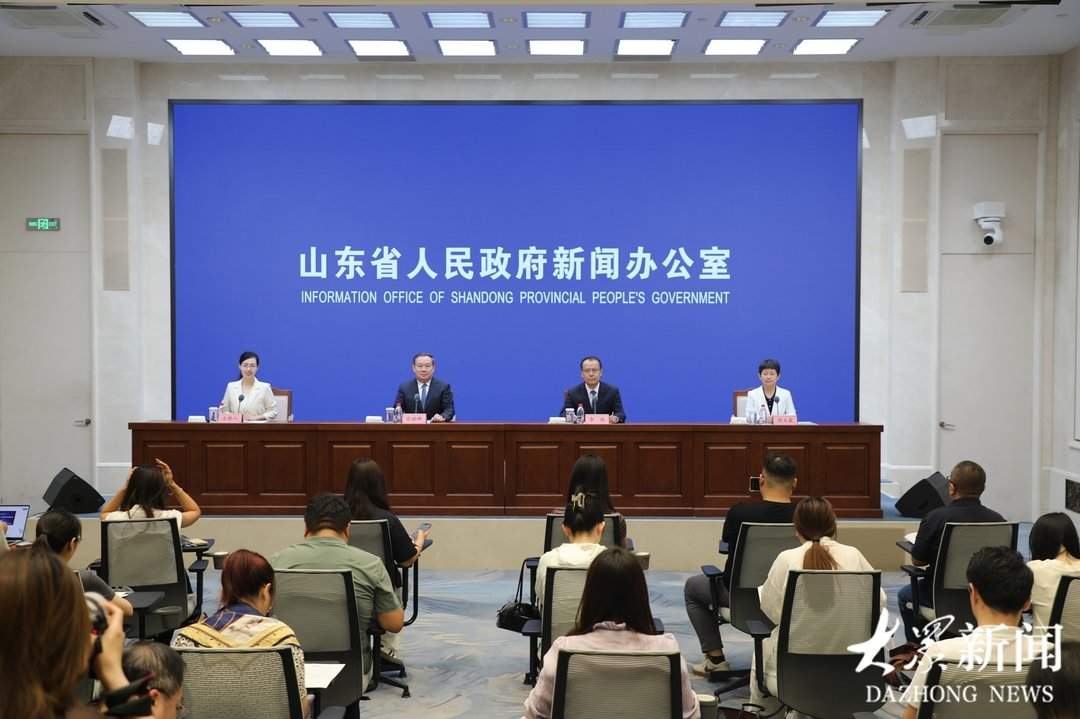 重大政策落地,盯住“卡点堵点”。

三 | 《规划》提出,加大对重大战略、重大举措、重大风险的审计力度。围绕黄河流域生态保护和高质量发展、科教兴国、乡村振兴、“一带一路”等重大战略,以及绿色低碳高质量发展先行区建设、打造高水平对外开放新高地、建设北方地区经济重要增长极等重点工作,关注规划衔接联动、政策精准协同、项目实施保障、制度改革创新等情况。 重大改革任务、“两重”建设和“两新”工作、全国统一大市场建设等重大政策落实情况,也将成为审计重点,及时发现资金安排、项目推进中的风险隐患,揭示制约政策落实的卡点堵点,促进“黄金政策”发挥“黄金效应”。 政府投资,既看钱花了多少,更看效益怎么样。 “十五五”时期,山东将加强扩大有效投资情况、公共投资项目和企业投资重大建设项目审计,促进稳投资、提质效、防风险。 预算内投资、超长期特别国债、地方专项债等资金怎么分、怎么管、怎么用,将受到重点关注。围绕交通强国山东示范区、现代水网、新型能源体系、新型城镇化等重大战略,审计还将覆盖公路、铁路、港口、机场、水利、能源、城市更新等重大工程项目和重点基础设施,严肃揭示超概算投资、高估冒算、效益不佳等问题。 同时,山东将探索对国有和国有资本占控股地位或者主导地位的企业,包括金融机构投资的重大建设项目开展审计,紧盯立项决策、设备材料采购、工程建设成本等环节。

四 | 就业、养老、医疗、住房,这些民生事都是审计重点。 未来五年,山东将以审计“小切口”推动做实民生“大文章”,重点抓好就业、社保基金、社会救助、住房保障、医疗卫生、人口高质量发展六方面民生审计。 其中,社保基金审计将关注养老、医疗保障体系以及失业、工伤保险扩面覆盖;住房保障审计将关注住房保障资金、住宅维修资金等筹集管理使用;医疗卫生审计将关注公立医院改革、医保基金管理、基层医疗保障、精神卫生服务等;围绕人口高质量发展,还将关注生育保险制度完善、普惠养老服务供给、长期护理险推行等政策落实和资金管理使用情况。 从“齐鲁粮仓”到科技创新,审计继续向重点领域延伸。 围绕农业强省建设,山东将聚焦粮食安全、乡村建设、产业发展和改革创新四方面,持续关注高标准农田、农田水利设施、现代设施农业、新一轮千亿斤粮食产能提升行动等;围绕科技创新,重点关注国家实验室支持、科技创新平台建设、科技创新项目实施、科技金融产品体系建设等情况。 审计质量是审计工作的“生命线”。《规划》提出,坚持科技强审,加力推进智能审计建设,深化重点业务领域审计数字化应用,促进“AI+审计”深度融合,探索非现场数字化审计模式,开展跨层级、跨系统、跨部门、跨业务数据分析,提升审计深度和精准度,拓展监督覆盖面。
Current article:http://www.bainangmieruopanglaomen.sbs/news/20260826_3723.xlsx
Published on:08:02:17


