
晓说
描绘乡村振兴新画卷——大兴乡土台子村以高效农业铺就党群共富路纪实_我的网站

A | 春和景明,生机勃发。大兴乡土台子村的果蔬大棚里正奏响着丰收的旋律。360座现代化温室鳞次栉比,1200亩土地孕育出千万级产业集群,年产值突破6000万元——这个昔日传统农业村,正以“党支部+合作社+农户”的共富模式,书写着新时代乡村振兴的生动实践。
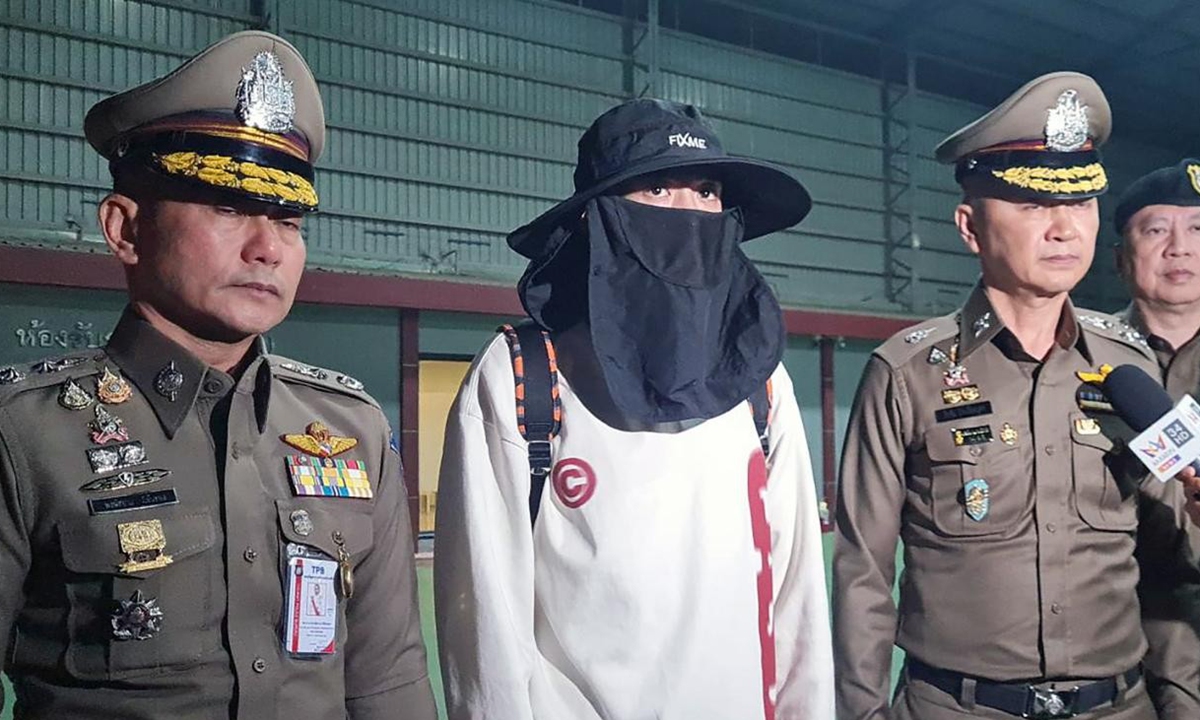
Seventeen members of a cross-border human trafficking ring involved in abducting Chinese actor Wang Xing to Myawaddy have been indicted on charges including abducting and trafficking people, illegal detention, robbery and kidnapping, and forcing people to engage in telecom fraud, according to CCTV News on Wednesday.
The indictment was filed by the Second Branch of the People's Procuratorate of Shanghai Municipality after a review in accordance with China's laws. The suspects were prosecuted at the Shanghai No.2 Intermediate People's Court.
According to the procuratorate, the criminal group had been operating in the Myawaddy region of Myanmar. Using overseas employment opportunities as bait, the group lured Chinese citizens, including Wang, abroad and trafficked them. Victims were then forcibly transported by armed personnel to Myawaddy, where they were robbed, beaten and illegally detained. Some female victims were subjected to sexual assault and forced prostitution, while others were sold to scam compounds in Myanmar and forced to engage in telecom fraud activities.
The case involving Chinese actor Wang Xing, who was trafficked to a telecom fraud compound in Myanmar's Myawaddy region, previously attracted widespread public attention in China and Thailand.
According to a timeline compiled by CCTV News, on December 29, 2024, Wang saw a casting notice in a WeChat group seeking actors for a film project in Bangkok. He contacted a person claiming to be an assistant director through WeChat and discussed the filming opportunity.
On January 3, 2025, after arriving at Bangkok airport, Wang was picked up in a vehicle arranged by the self-proclaimed assistant director. Wang was later taken across the Thailand-Myanmar border area into a compound in Myawaddy, Myanmar. He was subsequently transferred among several telecom fraud compounds.
On the evening of January 5, social media post revealed that actor Wang had gone missing near the Thailand-Myanmar border, sparking widespread attention in both countries.
On January 6, the Chinese Consulate General in Chiang Mai said it was in close communication with Thai authorities and Wang's family, providing necessary assistance while making every effort to locate him.
On January 7, the consulate general said it had learned from Thailand's Tak Immigration Office that Wang had been found and that relevant procedures, including questioning, were underway. The same day, Thai police received a report from the deputy commander of the Border Guard Force (BGF) in Myanmar confirming that Wang had been located.
On January 8, Thai police confirmed that Wang had been deceived into traveling abroad for a casting opportunity and was taken through Thailand to a neighboring country, where he discovered he had been deceived.
Authorities clarified that he had not suffered physical injuries, dismissing online rumors that he had been injured in the leg. The Royal Thai National Police chief inspector-general told Thai media that preliminary investigations confirmed Wang was a victim of human trafficking.
Wang returned to China, landing at Shanghai Pudong International Airport three days later on January 11.
On January 17, China's Ministry of Public Security announced that it was making every effort to rescue Chinese citizens who had gone missing and become trapped along the Thailand-Myanmar border, while launching investigations into related cases.
On January 26, the ministry said a key suspect in Wang's case, the "assistant director" who had been in contact with Wang, had been apprehended and returned to China on the night of January 25.
On February 20, the Ministry of Public Security announced that 10 key suspects linked to cases involving Wang and other Chinese citizens who had been deceived into traveling abroad, detained illegally and trapped in telecom fraud compounds had been arrested by Thai police and successfully transferred back to China by Chinese police on February 15.
Global Times
。 特色产业“链”动发展 百亩菊花香飘海外 走进菊花大棚,20座智能温室如翡翠长廊般铺展。金丝皇菊、杭白菊与七彩乒乓菊秧苗在恒温恒湿环境中长势非常好,种植户们采用了先进的温室大棚技术,有效地控制了温度、湿度和光照等条件,为菊花创造了适宜的生长环境。由于品种优良、管理科学,种出的花朵深受市场欢迎。 作为东北地区最大的菊花出口基地,土台子村今年将种植规模扩大至 300 亩,依托“订单农业”模式,与日韩客商签订年供300万枝鲜切花协议,预计年出口额超1200万元。如今,土台子村靠种菊花已经带领村民实现增收致富。 菊花大棚内的鲜花长势正旺 蓝莓抢鲜上市 产业催生就业潮 “蜜蜂授粉,物理防虫害,主打一个无公害。春节期间上市,价格相当可观”。

B | 土台子村党支部书记万井刚说。跟随着万书记走进蓝莓大棚,一幅生机勃勃的丰收图景展现在眼前。工人们按规格分类采摘,然后迅速分装发货。这些抢“鲜”上市的蓝莓最高卖价超过80元 / 斤,最快第二天后便会出现在北京、上海等大城市消费者的手中。由于种植模式创新,蓝莓亩产突破1500斤,较传统种植增产3倍。正在棚里摘蓝莓的刘大姐刚告诉记者:“每天摘蓝莓可获得100元的收入,既方便照顾家里又能挣到钱。”据了解,除了本村村民,附近村的村民也有上百人过来出工。 村民在采摘蓝莓 绿色蔬菜“圈粉”市场 智慧农业重塑产业格局 在万井刚的带领下,记者走进标准化蔬菜大棚。翠绿饱满的有机大头菜刚被装上车,枝头沉甸甸的西红柿还没成熟就已经被抢订一空。

C | “我们与采购商签订协议,蔬菜按照绿色无公害标准种植,严格管理,已经取得绿色检测认证。”万井刚展示着手机里的溯源系统,每棵蔬菜的种植记录、农残检测数据一扫即知。

D | 近年来,土台子村持续聚焦农业产业发展,不断优化农业产业结构,以发展现代农业优势主导产业为重点,因地制宜扩大大棚水果蔬菜等特色产业种养规模,引导传统农业向高效农业、特色农业转型升级,实现农业增收、农民增收,助力乡村振兴。 在蔬菜大棚里,一棵棵大头菜翠绿饱满,好像一颗一颗绿宝石,农户们边收割边装车,“这大头菜纯绿色无公害,特别受外地客商欢迎。”万井刚向记者介绍。据了解,今年大头菜收获10万斤,还有菜花等其他品种的绿色蔬菜也相继收获,产值很可观。

E | 大头菜收割现场 西红柿开花结果 党群共富“金钥匙” 解锁乡村振兴新密码 “过去靠天吃饭,现在靠科技吃饭!”正在给菊花浇水的村民李大哥告诉记者家里的增收账目。土地流转有年收入,大棚务工是日薪,年底还有合作社分红。“比外出打工强多了!”目前,土台子每天用工300人,同时带动周边村就业。

F | 土台子村在“三亮三带”机制激活红色动能,亮身份、亮承诺、亮实绩:党员棚前悬挂“党员示范棚”标识,公开承诺“技术指导全年无休、销售兜底风险共担”。带思想、带技术、带市场:每月举办“田间党课”,党员技术员手把手教农户“看苗识病”“控温调湿”,更牵线搭桥对接出口商,让菊花从“土特产”变身“国际花”。村民李忠满感慨:“以前种菜靠天吃饭,现在跟着党员干,从选种到出口‘一条龙’服务,去年我家3个大棚纯赚15万。

G | ”党群共富成果显著。 从传统农业村到产业强村的蝶变,土台子村用实践证明:党建引领是核心,科技赋能是关键,群众参与是根本。

H | 当特色产业插上智慧的翅膀,乡村振兴的画卷正徐徐展开。
Current article:http://www.bainangmieruopanglaomen.sbs/dox0/20260826/208370.xlsx
Published on:10:47:47